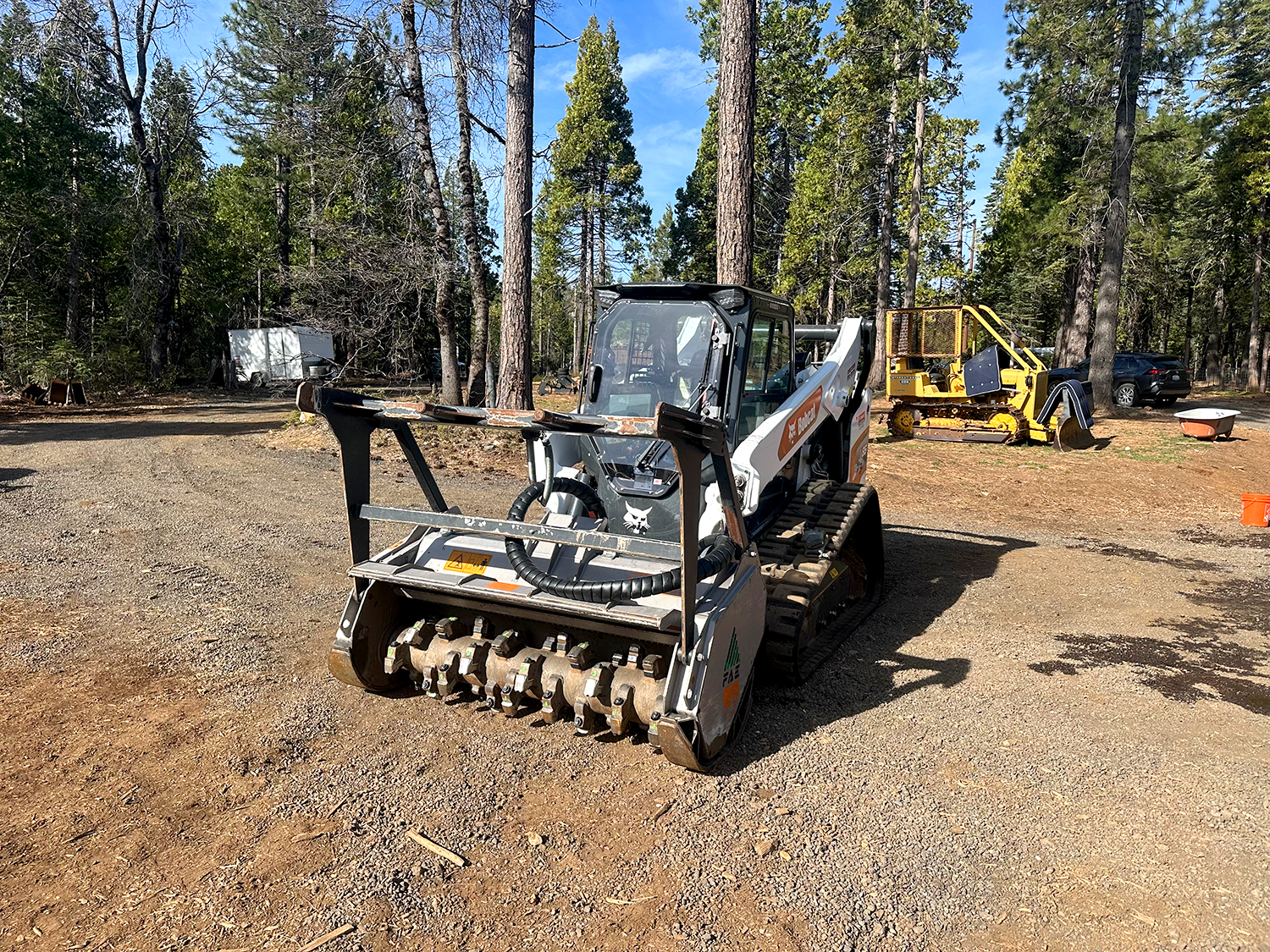
What brush clearing actually means
Brush clearing is the deliberate removal of overgrown shrubs, dry grasses, dead wood, and invasive species from a property. Done well, it reduces wildfire risk, restores access to land, and improves the health of trees and native plants you want to keep. Done poorly, it strips the soil, damages root systems, and invites worse regrowth.
The work sits at the intersection of forestry, landscaping, and fire prevention. It is not the same as mowing a lawn or scraping bare dirt. The goal is balance: enough open ground to slow fire and improve usability, enough living cover to hold soil and shade the land.
Why California homeowners need it
California's climate produces extraordinary growth in wet years and extraordinary fire fuel in dry ones. The state's Board of Forestry and Fire Protection has expanded defensible space requirements multiple times in the past decade, and insurance carriers now inspect properties before renewing policies in many fire-prone areas.
Beyond fire risk, untended brush creates other problems. It harbors rodents, hides erosion, blocks views, increases tick populations, and slowly chokes out the oaks and natives most homeowners want to preserve. Annual clearing keeps these problems from compounding.
The California reality: Roughly one in four properties in the state's wildland-urban interface lacks adequate clearance. Insurance non-renewals tied to brush conditions have risen sharply since 2020.
How we approach the work
Every property is different. A vineyard estate in Paso Robles needs different attention than a cabin in Tahoe or a hillside home above the Bay. Our process accounts for terrain, vegetation type, structures, and your goals for the land.
Site Walk
A trained arborist walks the property with you, identifies priorities, flags protected species, and notes terrain constraints.
Written Plan
You receive a clear scope of work, itemized pricing, and a recommended sequence. No surprise charges later.
Right-Sized Crew
Hand tools, compact mowers, or tracked equipment, matched to your terrain and the vegetation we're managing.
Clean Finish
Debris is chipped on-site for mulch or hauled to a licensed green-waste facility. The land looks better than we found it.
What it costs in California
Pricing varies with acreage, density, slope, access, and disposal needs. As a general range, residential brush clearing in California runs from $500 for a small Zone 1 cleanup to $4,000 or more for multi-acre properties with heavy fuel loads. Vineyard, ranch, and estate work is quoted individually.
We don't offer flat per-acre rates because they punish customers with simpler properties and underprice the harder work. Every estimate is built from a site visit, and we explain how we got to the number.
What we won't do
We won't clear-cut, scalp the soil, or remove healthy oaks just because they shade something. We don't push for unnecessary services, and we won't sign off on work that does not match what California's CAL FIRE guidelines actually require. Some clearing companies treat every job as maximum removal. We treat it as land management.
How to know if you need brush clearing
You probably need it if any of these apply to your property:
- You live in a High Fire Hazard Severity Zone or State Responsibility Area
- Your insurance carrier has flagged vegetation in the last renewal cycle
- Brush has grown into structures, eaves, fences, or propane tanks
- Dead wood and dry grass make up more than a few percent of your ground cover
- You can't safely walk most of your property because of overgrowth
- The land has not been touched in more than two years
Why choose Coyote Brush
We are not the cheapest, and we are not the largest. We are arborists and horticulturalists who started this company because we kept watching crews mistreat California land. Our crews are trained, our equipment is matched to the job, and our pricing is honest. Every property is treated like the long-term asset it is.
For more on California's vegetation management standards, the California Native Plant Society publishes excellent resources on responsible land management practices.